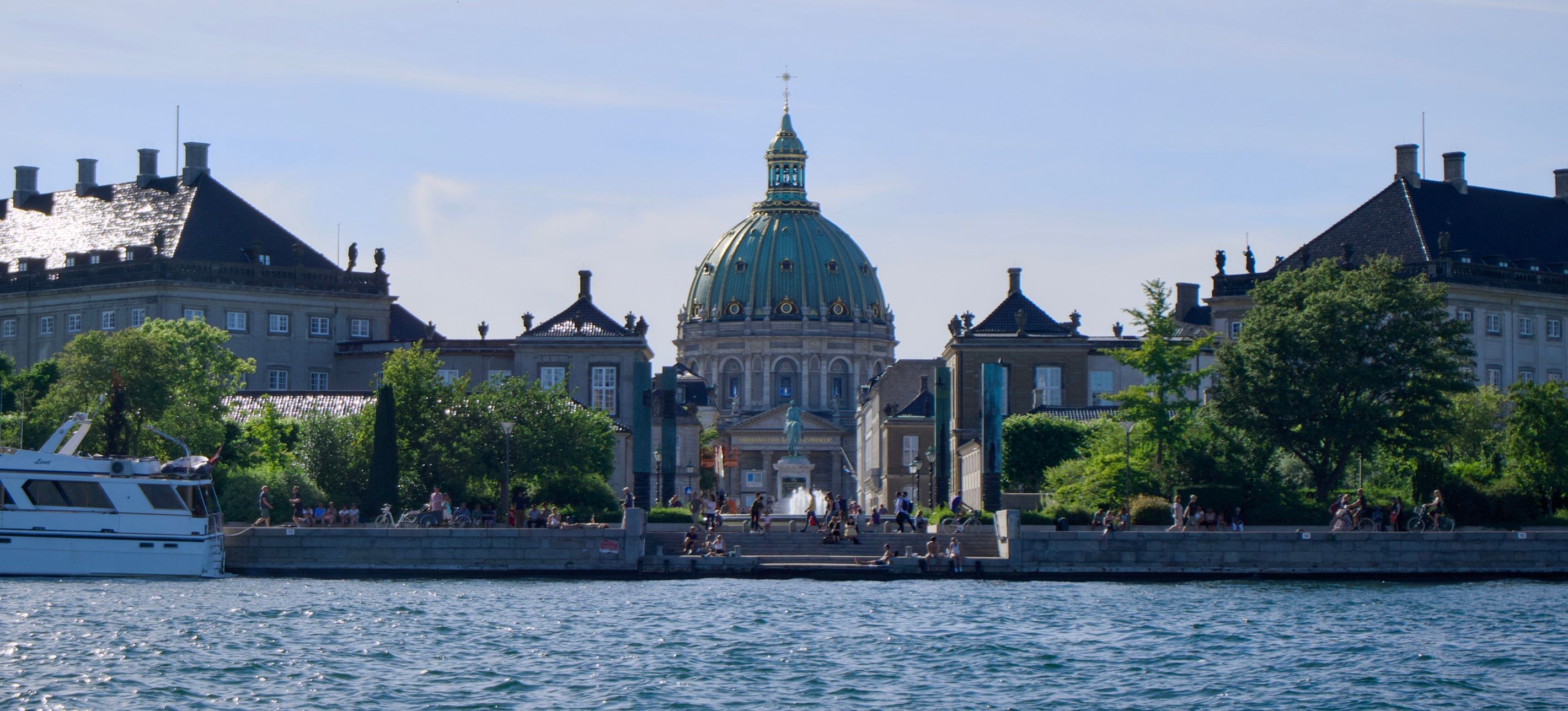
Not with any particular plan—just a camera, somewhere worth pointing it, and that quiet pull toward making something that felt like more than a record of being there.
A landscape doesn’t move. It doesn’t give you anything. You have to find the frame yourself, decide what stays in and what gets cut, figure out why this specific angle feels more alive than the one two steps to the left. Most of the time the answer isn’t obvious. Sometimes it isn’t there at all, and you’re just standing somewhere beautiful with a photo that proves you were there but doesn’t make anyone feel it.
That’s the part I kept getting stuck on—the difference between a scene that looks impressive and one that actually does something.
Life moved on. The camera didn’t come out as much.
Then I started working with a school, and I had this Fujifilm sitting around—decent gear, underused. Figured I could put it to work.
What I didn’t expect was how much the role would pull me back into the hobby properly.
The brief was simple: capture events, outings, moments worth keeping. But simple briefs have a way of clarifying what you actually think.
And what I think, apparently, is this:
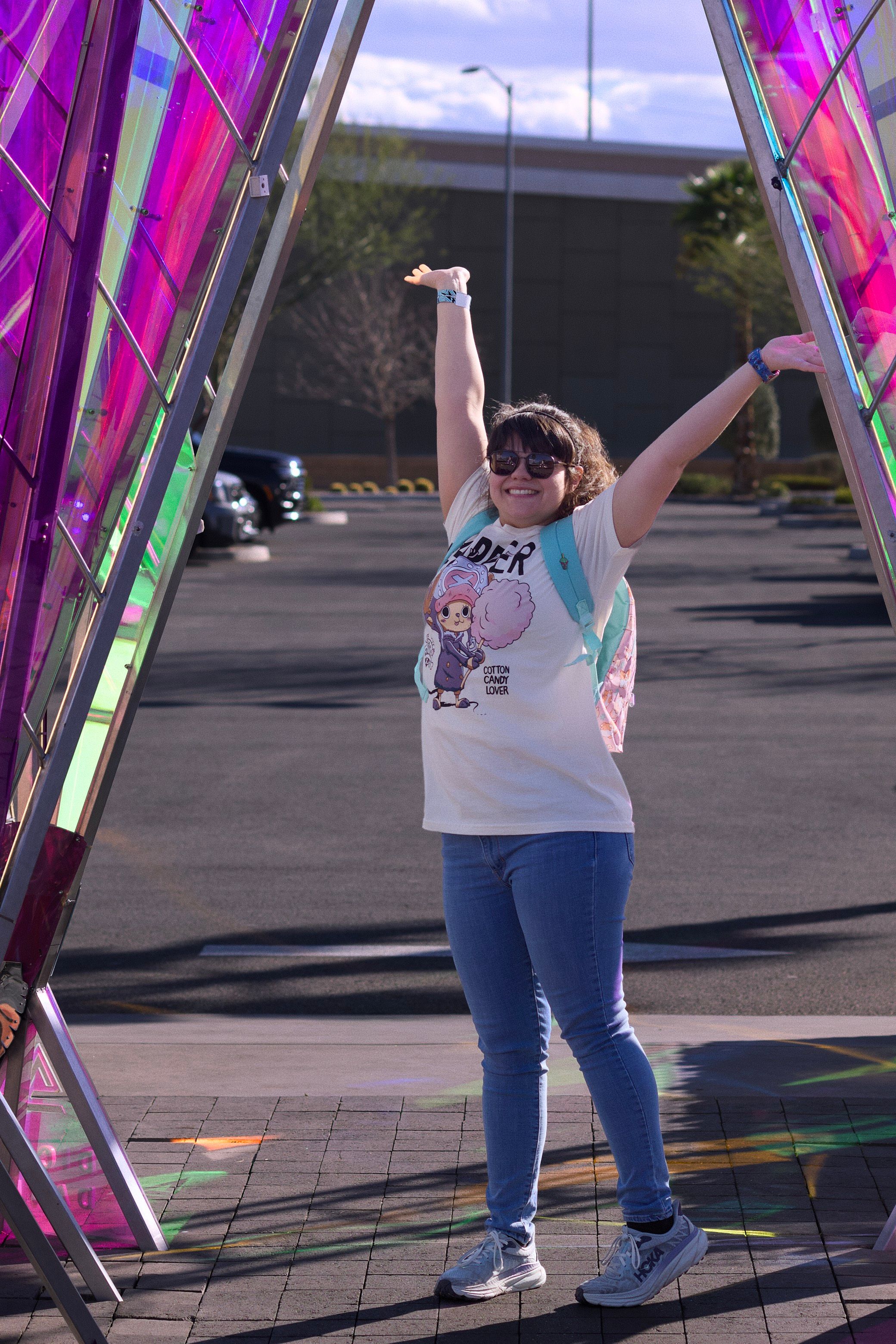
The moment someone knows a camera is on them, something leaves. The expression becomes an expression for the camera rather than an expression. The thing you were trying to catch is already gone.
So I stopped trying to catch it that way.
Instead: wait. Watch. Look for people who’ve forgotten you’re there—absorbed in something, mid-laugh, focused, moving. Those are the shots that work. Not because they’re technically better, but because something real is happening in them.
The Fujifilm helps with this. The color is genuinely good—warm, a little filmic, forgiving in the right ways. I edit from there, push the vibrancy where a scene has it, pull back where it doesn’t. When I want to get more deliberate, I’ll do color isolation—strip the image to black and white, then let one element through in color, or tune the whole thing to read in a single hue.
It sounds like a gimmick. Most of the time, it is.
But when it works, it works because you’ve made a decision: this is what matters here. Everything else is context. The eye goes where you send it.
That’s not just an editing choice. That’s the same question I ask looking at a layout—what’s the first thing someone should see, and does everything else support that or compete with it?
The landscape problem and the event photography problem turn out to be versions of the same thing.
In a landscape, you’re trying to make a static scene feel like something is at stake. You’re searching for tension in stillness. In event photography, you’re doing the opposite—you’re in motion, there’s action everywhere, and your job is to find the one frame where it all holds together.
Both come down to restraint. Knowing what to leave out.

The school work gave me a reason to pick the camera up regularly again. Constraints have a way of doing that—giving you something specific to solve forces more out of you than total freedom does.
And somewhere in between the outings and the landscapes I’m still figuring out, I’ve ended up thinking about framing and hierarchy and what earns attention more than I expected.
Turns out they’re not separate questions from the ones I ask when I’m writing code.
Just different tools.